
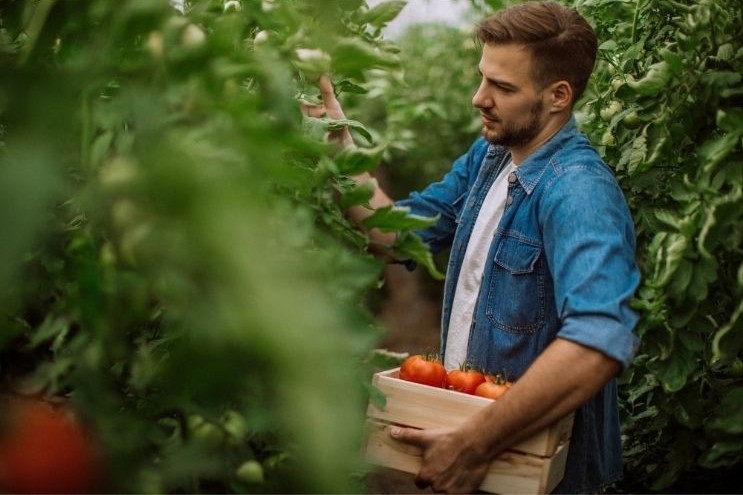
In a world where concerns about climate change, rising food prices, and environmental sustainability are growing, more people are turning to home-grown food as a practical solution. Growing your own fruits, vegetables, and herbs is not just a rewarding hobby; it is a meaningful step towards a more sustainable lifestyle. By cultivating your own food, you can reduce your environmental impact, improve your health, and gain a deeper connection with nature.
Why Growing Your Own Food Matters
Modern food systems often involve long supply chains, extensive packaging, and significant transportation costs. Many fruits and vegetables travel hundreds or even thousands of miles before reaching supermarket shelves. This process contributes to greenhouse gas emissions and food waste.
When you grow your own food, you dramatically shorten that journey. Food moves directly from your garden to your plate, reducing transportation emissions and packaging waste. Even a small garden can contribute to a more environmentally friendly lifestyle.
Environmental Benefits
One of the biggest advantages of home gardening is the positive impact on the environment.
Reduced Carbon Footprint
Home-grown produce eliminates the need for long-distance transportation and excessive packaging. Every tomato, lettuce leaf, or strawberry harvested from your garden represents one less item that needed to be shipped and packaged.
Better Soil Health
Using natural compost and organic gardening techniques improves soil quality over time. Healthy soil stores carbon, retains water more effectively, and supports beneficial microorganisms that contribute to a thriving ecosystem.
Support for Pollinators
Gardens filled with flowers, herbs, and vegetables provide food and habitat for bees, butterflies, and other pollinators. These creatures play a vital role in maintaining biodiversity and food production worldwide.
Financial Savings
Growing your own food can also ease pressure on your household budget. While there may be some upfront costs for seeds, tools, and compost, many crops provide a substantial return on investment.
Herbs such as basil, mint, parsley, and coriander are particularly cost-effective because they can be harvested repeatedly throughout the growing season. Vegetables like tomatoes, courgettes, lettuce, and beans often produce abundant harvests from relatively small spaces.
Over time, saving seeds and creating homemade compost can further reduce costs, making gardening an increasingly affordable activity.
Health and Wellbeing
The benefits of growing food extend far beyond the dinner table.
Fresher, More Nutritious Produce
Freshly harvested fruits and vegetables often retain more nutrients than produce that has spent days or weeks in transport and storage. The taste is typically superior as well, encouraging healthier eating habits.
Physical Activity
Gardening involves digging, planting, watering, and weeding, all of which provide gentle exercise. Regular gardening can improve strength, flexibility, and overall fitness.
Mental Health Benefits
Spending time in nature has been shown to reduce stress and improve mood. Gardening offers a sense of accomplishment and can be a calming escape from the pressures of modern life.
Getting Started
You do not need a large plot of land to begin growing food sustainably.
Start Small
A few containers on a balcony, windowsill herbs, or a modest raised bed are excellent starting points. Beginning with manageable projects allows you to develop confidence and skills without becoming overwhelmed.
Choose Easy Crops
Consider growing:
- Lettuce
- Radishes
- Spring onions
- Tomatoes
- Herbs
- Green beans
- Spinach
These crops are generally beginner-friendly and provide relatively quick results.
Compost Kitchen Waste
Creating compost from fruit and vegetable scraps turns waste into a valuable resource. Compost enriches the soil naturally and reduces the amount of rubbish sent to landfill.
Collect Rainwater
Installing a water butt or rain barrel can help conserve water and lower utility bills. Rainwater is often well suited to garden plants and reduces reliance on treated tap water.
Building a Sustainable Gardening Practice
Sustainability goes beyond simply growing food. Consider adopting environmentally friendly methods such as:
- Avoiding chemical pesticides where possible
- Using organic fertilisers
- Rotating crops to maintain soil fertility
- Mulching to reduce water evaporation
- Encouraging natural predators like ladybirds
- Planting native species alongside food crops
These practices help create a resilient garden ecosystem that requires fewer external resources over time.
The Bigger Picture
Growing your own food may seem like a small act, but its impact can be significant. Every home garden contributes to reduced food miles, less packaging waste, healthier diets, and increased awareness of environmental issues. Whether you grow a handful of herbs on a windowsill or cultivate a thriving vegetable patch, you are taking a practical step towards a more sustainable future.
Conclusion
Sustainable living does not require drastic lifestyle changes. Often, the most meaningful changes start close to home. Growing your own food provides fresh produce, saves money, supports local biodiversity, and reduces your environmental footprint. Most importantly, it reconnects you with the natural processes that sustain life. By planting a seed today, you are investing in a healthier, greener, and more sustainable tomorrow.