
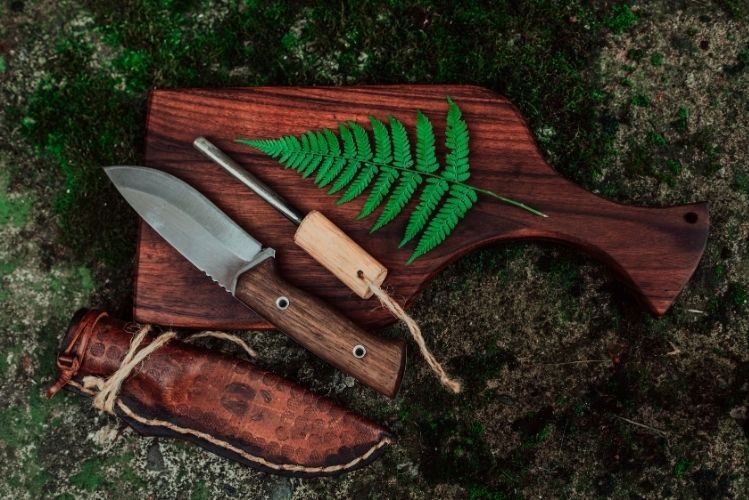
Bushcraft, the art of surviving and thriving in the natural environment using skills and knowledge, has gained immense popularity in the UK. This ancient practice, once essential for survival, has transformed into a rewarding hobby that encourages a deeper connection with nature. Whether you’re a seasoned outdoor enthusiast or a curious beginner, bushcraft in the UK offers a unique and enriching experience.
What is Bushcraft?
Bushcraft encompasses a variety of skills that allow individuals to live comfortably in the wild. These skills include building shelters, foraging for food, purifying water, identifying plants and wildlife, and making tools and equipment from natural materials. The essence of bushcraft is sustainability and harmony with the environment, leaving no trace behind.
Why Practice Bushcraft in the UK?
The UK’s diverse landscapes, from dense woodlands to rolling hills and rugged coastlines, provide an ideal backdrop for bushcraft activities. The country offers numerous designated areas and national parks where you can legally and safely practice bushcraft skills. Engaging in bushcraft not only enhances your outdoor skills but also fosters a greater appreciation for the natural world.
Essential Bushcraft Skills
- Shelter Building: Learn how to construct a reliable shelter from natural materials to protect yourself from the elements. This skill is crucial for staying warm and dry in the UK’s often unpredictable weather.
- Fire Craft: Mastering the art of building and maintaining a fire is central to bushcraft. A fire provides warmth, a means to cook food, and a sense of security. Techniques such as friction fire lighting using a bow drill or flint and steel are valuable skills to practice.
- Foraging and Identification: The UK is home to a variety of edible plants, fungi, and berries. Learning to identify these safely is an essential skill for any bushcrafter. Always be cautious and consult reliable guides or experts to avoid consuming anything toxic.
- Water Sourcing and Purification: Finding and purifying water is critical for survival. Techniques such as boiling, using purification tablets, and crafting DIY filters are vital skills to ensure you have access to safe drinking water.
- Navigation and Tracking: Understanding how to navigate using a map and compass and recognizing animal tracks can enhance your outdoor experience and safety.
Practicing Bushcraft Responsibly
Ethical bushcraft emphasizes respect for nature and the environment. It is important to follow the Leave No Trace principles: minimize your impact, respect wildlife, and be considerate of others. Always ensure you have the necessary permissions or follow guidelines when practicing bushcraft in designated areas or private lands.
Getting Started with Bushcraft in the UK
If you’re new to bushcraft, consider joining a course or workshop to learn from experienced instructors. Many organizations across the UK, including Cornwall Skills, offer bushcraft courses that cater to different skill levels. These courses provide hands-on experience and a chance to meet like-minded individuals.
Recommended Bushcraft Tools:
- A reliable bushcraft knife
- Fire lighting equipment (e.g., ferro rod)
- A durable tarp or bivvy bag
- A high-quality water bottle and purification system
- A comprehensive field guide for plant identification
Conclusion
Bushcraft in the UK is more than just a set of survival skills; it’s a journey into the heart of nature. By honing these skills, you not only equip yourself for outdoor adventures but also develop a profound respect for the natural world. Whether you’re camping in the Scottish Highlands or exploring the New Forest, bushcraft offers a rewarding way to engage with the environment, challenge yourself, and enjoy the beauty of the UK’s great outdoors.